
We empower practitioners, researchers, and communities to develop nature-positive solutions for the health and wellbeing of people and nature.
Positive change happens when professionals, researchers, policymakers, and communities collaborate. Our work connects these groups, to ensure research informs practice, meets community needs, and underpins evidence based policy.
Investing In Future Leaders
Building the next generation of professionals who will shape the future of Australia's urban landscapes.
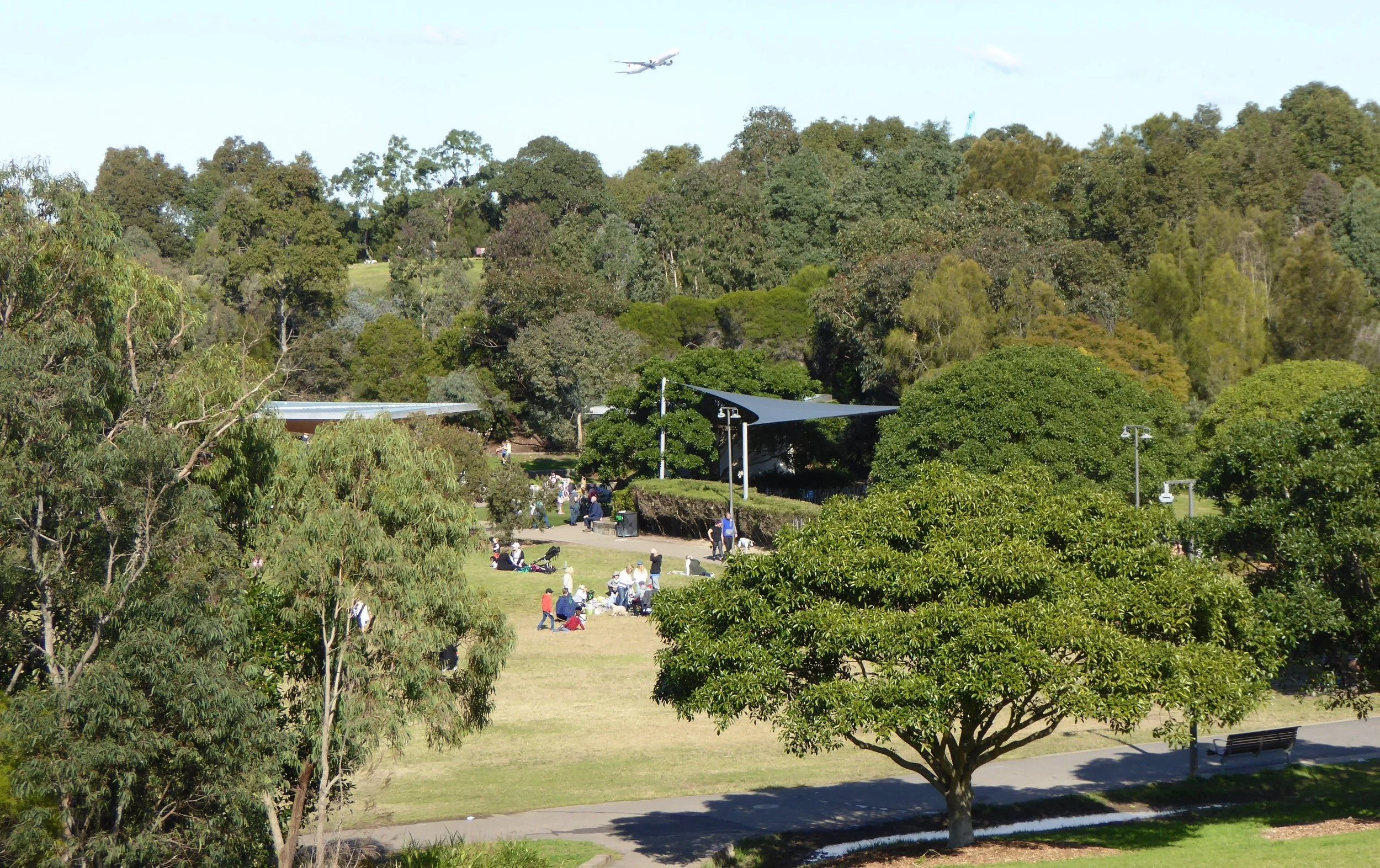
Our Fellows and scholarship recipients advance their careers, become advocates for healthy urban landscapes as essential green infrastructure, and apply evidence-based approaches to achieve positive outcomes.
What we support:
Fellowships for early- and mid-career urban landscape-focused professionals to investigate high priority issues.
LFA Ewings Scholarship for students in professional degree programs in landscape architecture and related disciplines.
Learn more About the Ewings ScholarshipProfessional development tools and events that help build leadership capacity.
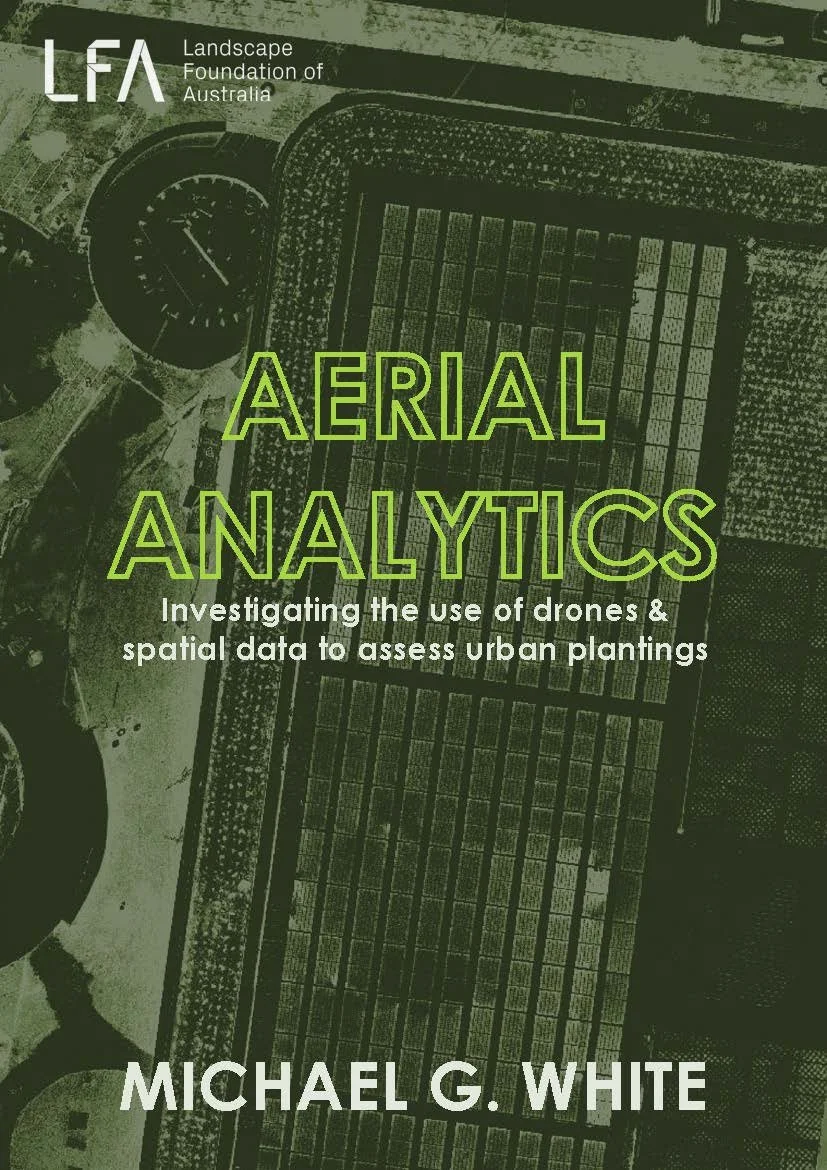
Michael White used his 2024 LFA Fellowship to explore the emerging use of drone imaging technologies to monitor the performance of complex urban landscape planting projects.
Michael’s research merged data collected from drone-mounted multispectral cameras, with climate and soil data, to analyze the performance of multiple plant species within a series of planting projects. The results were validated with traditional ground surveys. Michael’s goal was to enable more detailed measurement of success (and failure) of plant growth in large-scale green infrastructure projects to improve the performance of future projects.
Michael’s final report documents his research and provides guidance on how it can be applied to new landscape planting projects. The report represents evidence-led, practice-grounded innovation that the LFA Fellowship Program has been proud to support.
Case Study: Michael White, 2024 LFA Fellow
Advocating for Urban Nature
Advocating for policy changes that recognise nature as a vital urban green infrastructure asset.
We don't just support research – we ensure it reaches practitioners and decision-makers. Our advocacy work influences planning policies that require proper valuation of nature and recognise green infrastructure in urban development.
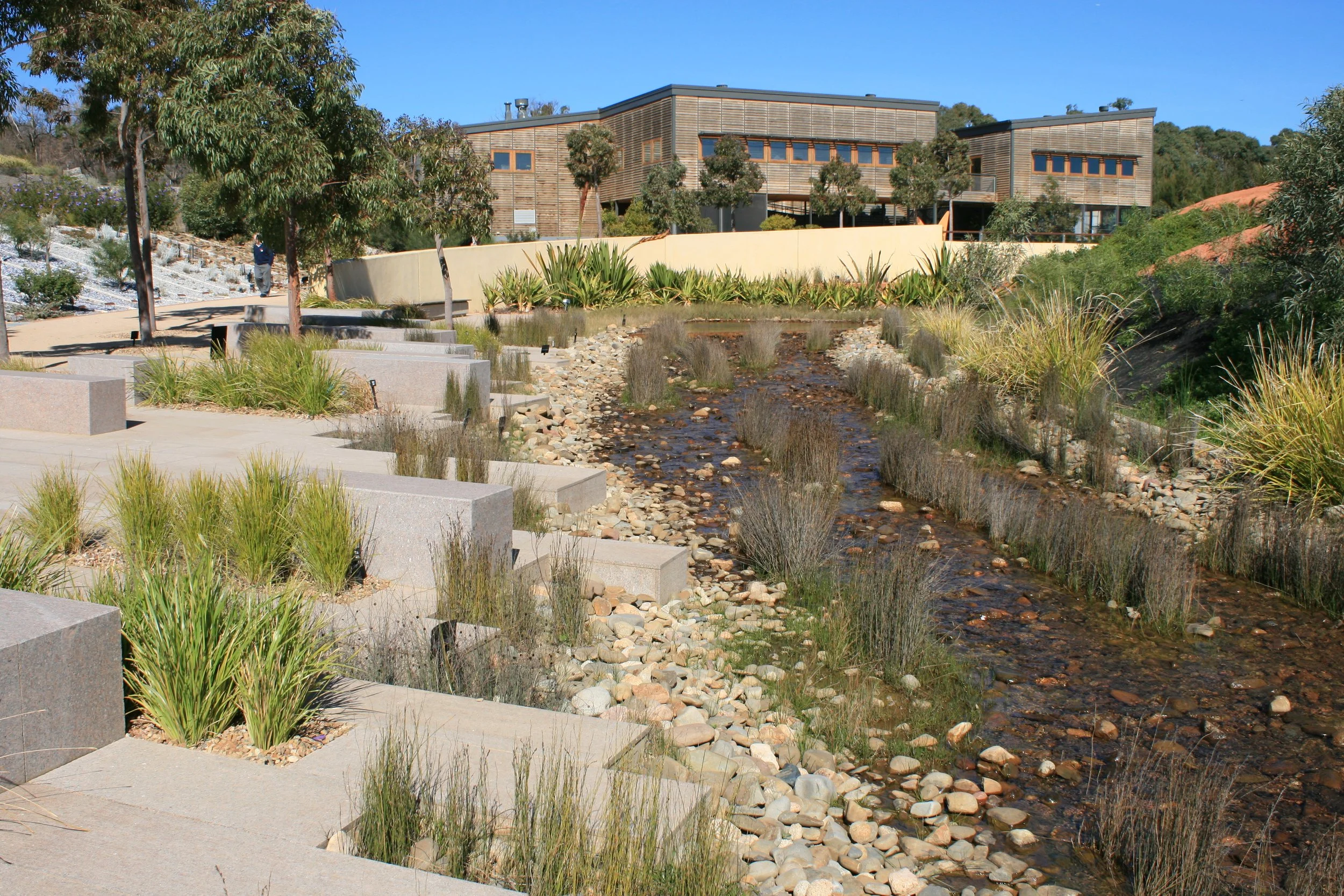
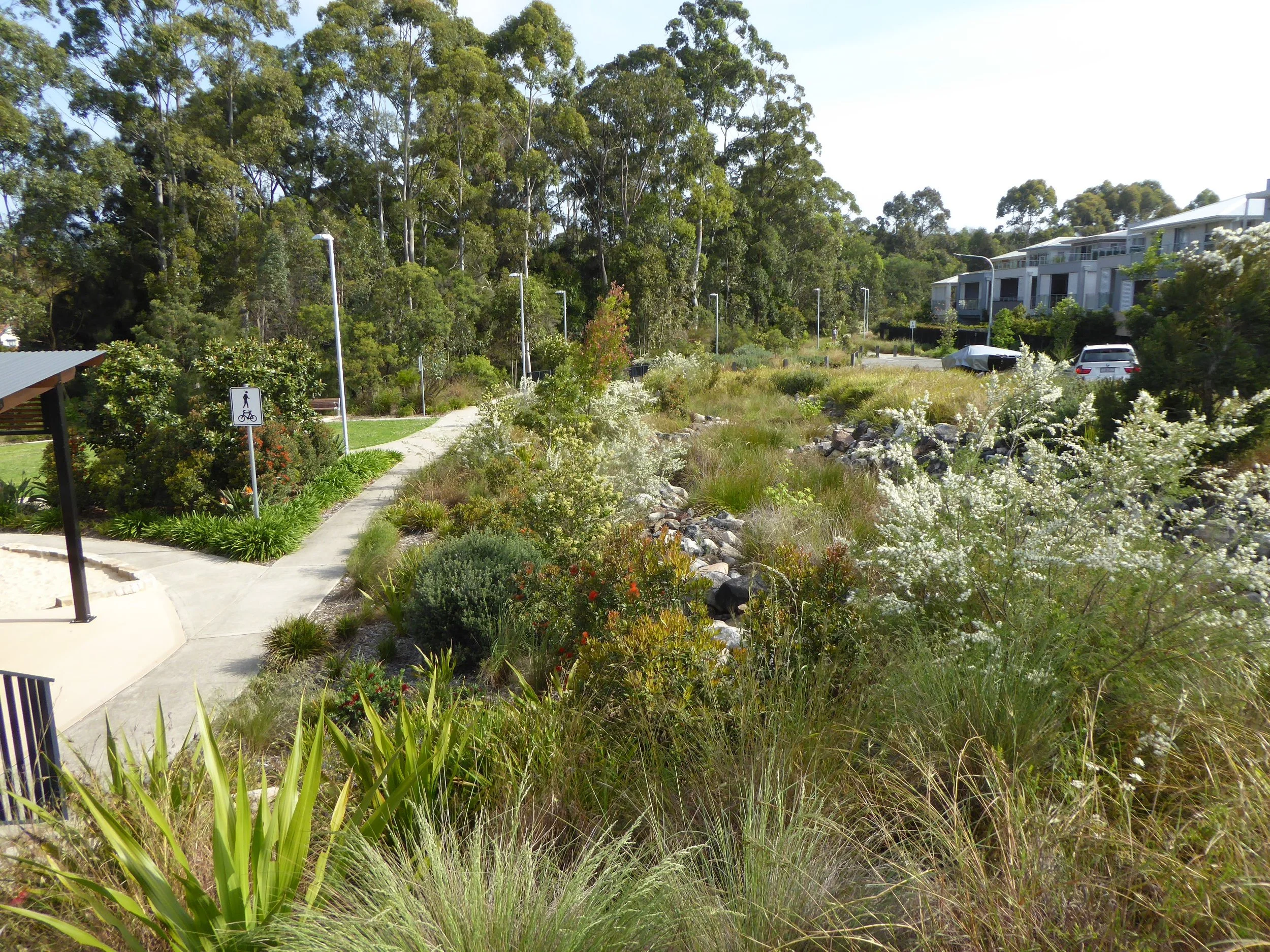
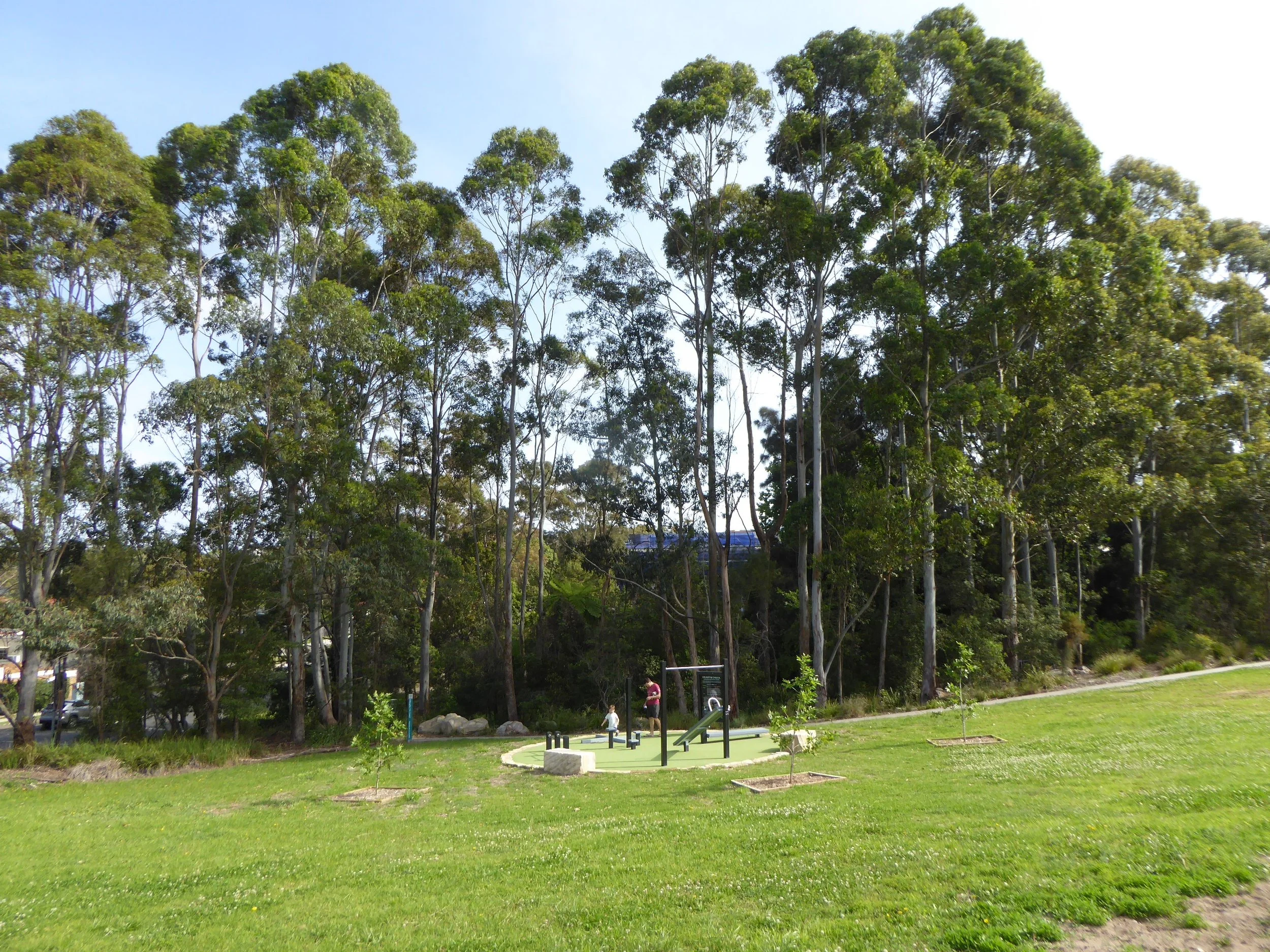
Urban Green Infrastructure includes:
Parklands
Green open space
Playing fields
Community gardens
Street trees
Civic plazas
Urban forests
Wetlands
What we do:
Influence policy & practice to recognise nature-based solutions & invest in urban green infrastructure for the health of people & nature
Advocate for natural assets & green infrastructure to be treated as a distinct asset management category that is funded & managed sustainably
Promote new approaches to natural assets & green infrastructure asset management via Practice Guides, Webinars & Professional Development Programs
Build evidence that demonstrates how nature delivers environmental, economic, social and cultural benefits
Engage stakeholders from diverse disciplines to achieve better outcomes and share new knowledge
Advocacy in action:
LFA submissions to:
Nature Repair Market Legislation
Proposed National Biodiversity Market
NSW Government Transport Oriented Development
Treasury advocating more funding in 2024 Federal Budget for nature repair
Inner West Council advocating for new public open space to meet the needs of new residents resulting from increased urban density
As Chair of the Restoration Decade Alliance Government Policy Working Group, LFA director Noel Corkery has coordinated preparation of a series of submissions on the Nature Repair Market legislation
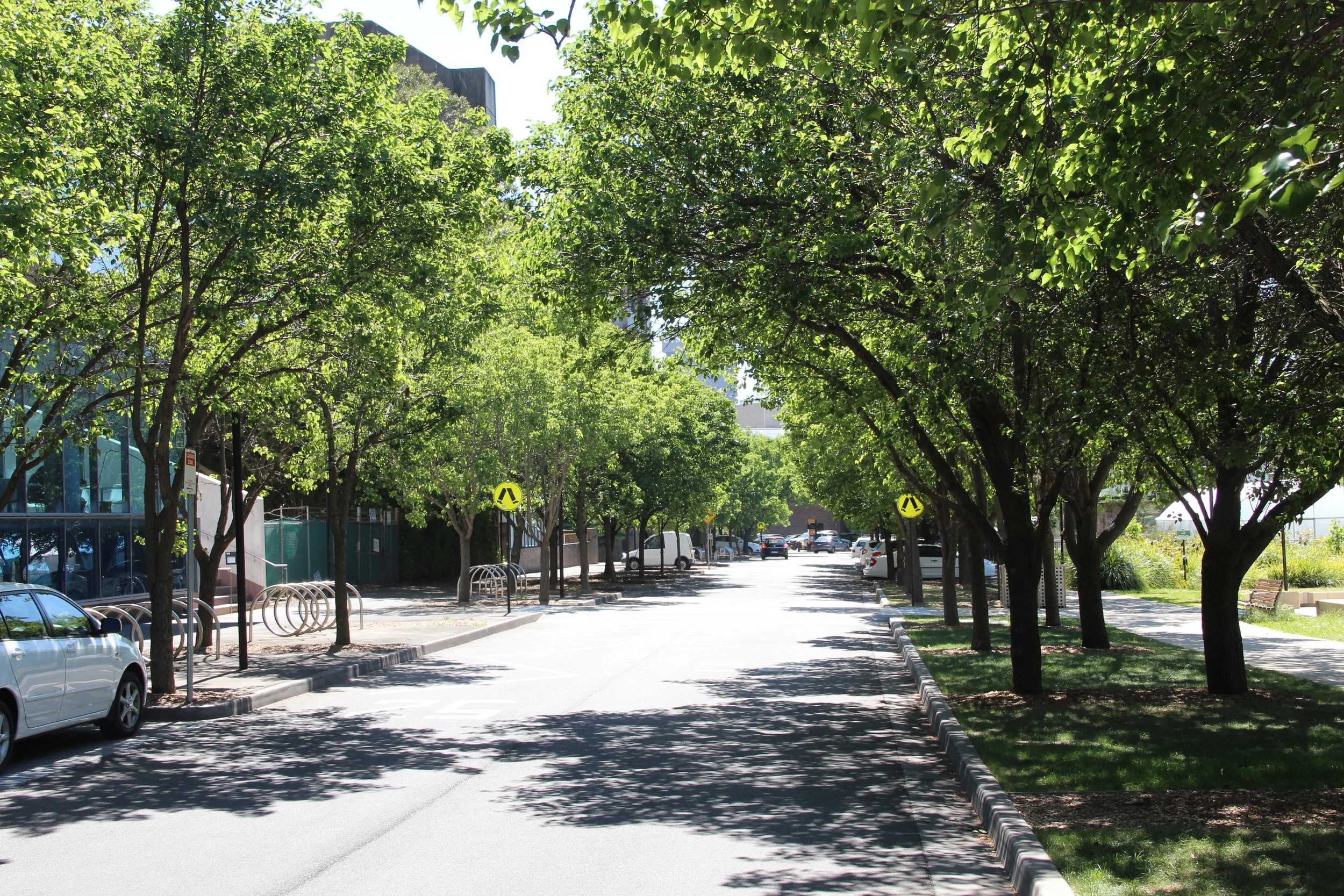
LFA director Linda Corkery provided professional advice to Landcom on preparation of Street Trees Guidelines
Presentation by LFA Director Chris Champion at Citygreen seminar ‘Where shade meets the pavement’
Empowering Communities
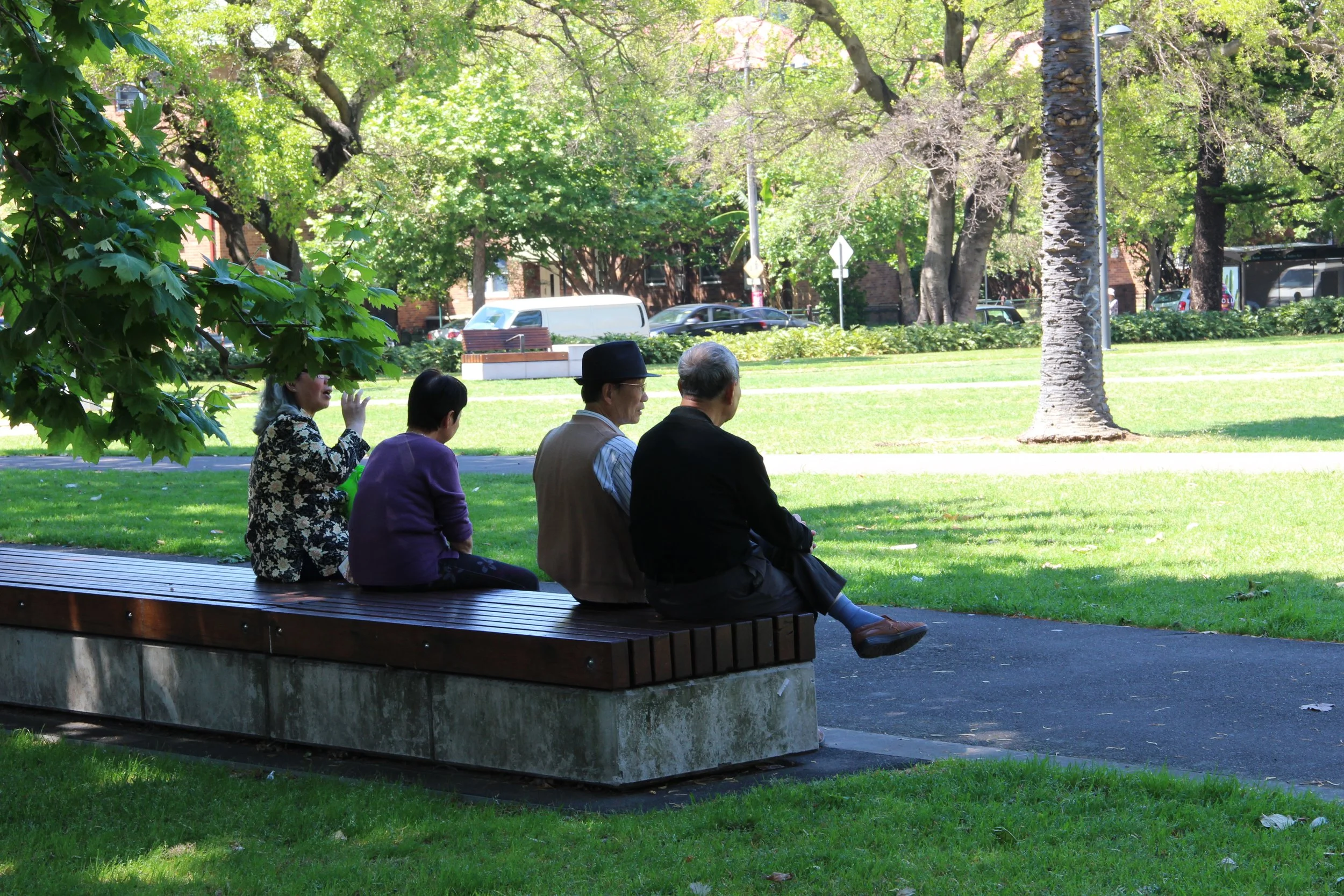
Empowering local communities to plan & implement nature-positive urban landscape projects in towns and cities.
Community-led nature-positive projects that increase biodiversity, reduce urban heat and improve the health and wellbeing people
Innovative local projects that can be piloted and scaled to other urban landscapes
Capacity building to assist communities to advocate for healthy urban green infrastructure
Collaborative partnerships between communities, professionals, researchers and other not-for -profit organisations
Community-based projects we support
Uralla Racecourse Lagoon Ecological Restoration
LFA Assisted Uralla Council and the ZNET community organisation to obtain $150,000 grant from NSW Environmental Trust to restore New England Grassy Woodland vegetation community by planting 7,500 native species plants
Uralla Racecourse Lagoon Picnic Area
LFA prepared a planting plan and assisted ZNET to organise more than 20 local volunteers to carry out planting at historic picnic area adjoining the Racecourse Lagoon
B&B Highway, School Pollinator Gardens
LFA is assisting ‘Planting Seeds’ to establish school pollinator gardens by organising volunteer landscape architect students & arranging plant supplies
Keeping Uralla Cool
In collaboration with ZNET Uralla we managed the ‘Keeping Uralla Summers Cool’ project, with funding from NAB. LFA facilitated a series of workshops and site inspections to identified measures to increase the livability of Uralla township.
Women’s Housing Company Landscape Improvement Projects
LFA is working with WHC to design and help implement improvements to the landscape of a series of multi-unit residential properties managed by WHC. Residents are invited to be involved in the planning and implementation of the landscape improvements.
Supporting Research
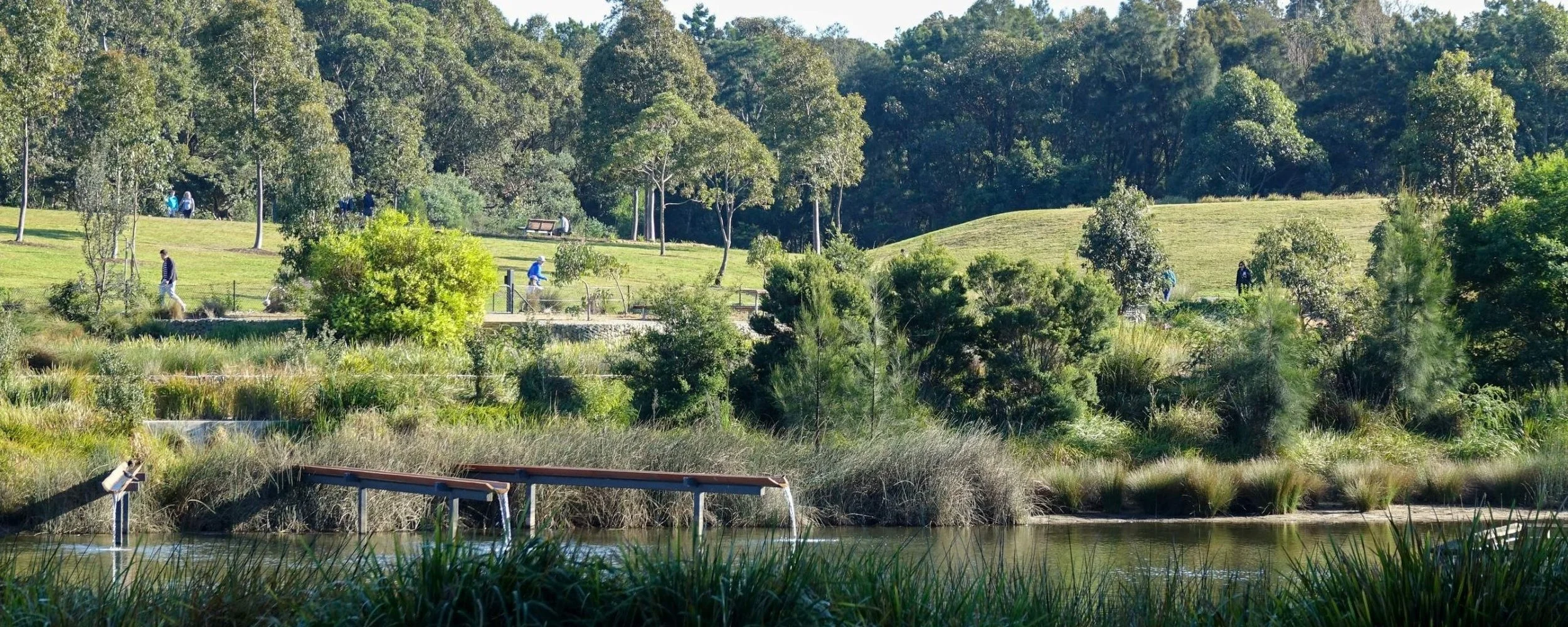
LFA supports research through:
The Landscape Performance Case Studies Program which assesses the performance of completed urban landscape projects to identify their environmental, social, economic and cultural benefits against defined criteria
LFA Fellowships that generate new knowledge about the creation and sustainable management of healthy and resilient urban landscapes
LFA Directors providing pro bono expert professional input to research projects being undertaken by universities and other organisations
Case Study: Schoolyard Greenprint Research Project
LFA is a cashless partner with directors, Linda Corkery and Noel Corkery providing pro bono expert professional advice to the research team as members of Working Group. This two-year research project, led by Dr Gweneth Leigh, (AILA/RLA), a Postdoctoral Research Fellow in the Mental Health Policy Unit at the University of Canberra’s Health Research Institute, aims to answer the questions:
How can the wellbeing of adolescents at school be improved by well-designed outdoor spaces?
What evidence and guidance do designers and school leaders in Australia need to improve schoolyard design?
Funding for the project is being provided through Hort Innovations’ Frontiers Program and a contribution from the Australian Government.
Outcomes of the research will include:
a body of evidence to identify the impact of schoolyard design on student wellbeing and learning outcomes
production of a Schoolyard Greenprint Guide for design professionals that articulates and illustrates design outcomes for outdoor school spaces that foster student wellbeing.
Youth Voices are represented on the research project by a diverse group of young people who are acting as co-researchers and providing valuable commentary and feedback.
The Schoolyard Greenprint will be launched in late 2026 at a “Greening the Schoolyard Summit.”
Our Impact
Confirming nature's value through rigorous data & evidence
Every project we fund includes robust measurement frameworks. We track environmental outcomes, community benefits, and economic returns to build the evidence base that nature is essential urban infrastructure
What we measure:
Ecological outcomes from restoration, sustainable management and protection projects
Community health metrics, for the environment and for people. Including, air quality, mental health, and social connection
Economic value of natural assets and green infrastructure investments
Research citations and planning decision changes that indicate policy influence
Foundation Impact by the Numbers
5x
Landscape Foundation Fellows
$30k
Funding awarded to Landscape Foundation Fellows
$20k Annually
LFA Ewings Scholarship for Landscape Architecture studies
$50k
Grant funding for Landscape Performance Case Studies
$150k
Grant funding secured for partner
community organisations
$400k
Value of pro bono expert advice provided by LFA to:
UC Health Research Institute
Green Infrastructure Roundtable
’Planting Seeds’
Public Policy Committee
Restoration Decade Alliance
Smart Green Cities Panel
ZNet & Uralla Council
Take Action Today
Fund the expertise and projects that create lasting change. Every dollar you give today funds solutions that benefit communities for generations.